

Centroid Solutions for Forex Brokers: Liquidity, Risk and Bridge Integration Guide
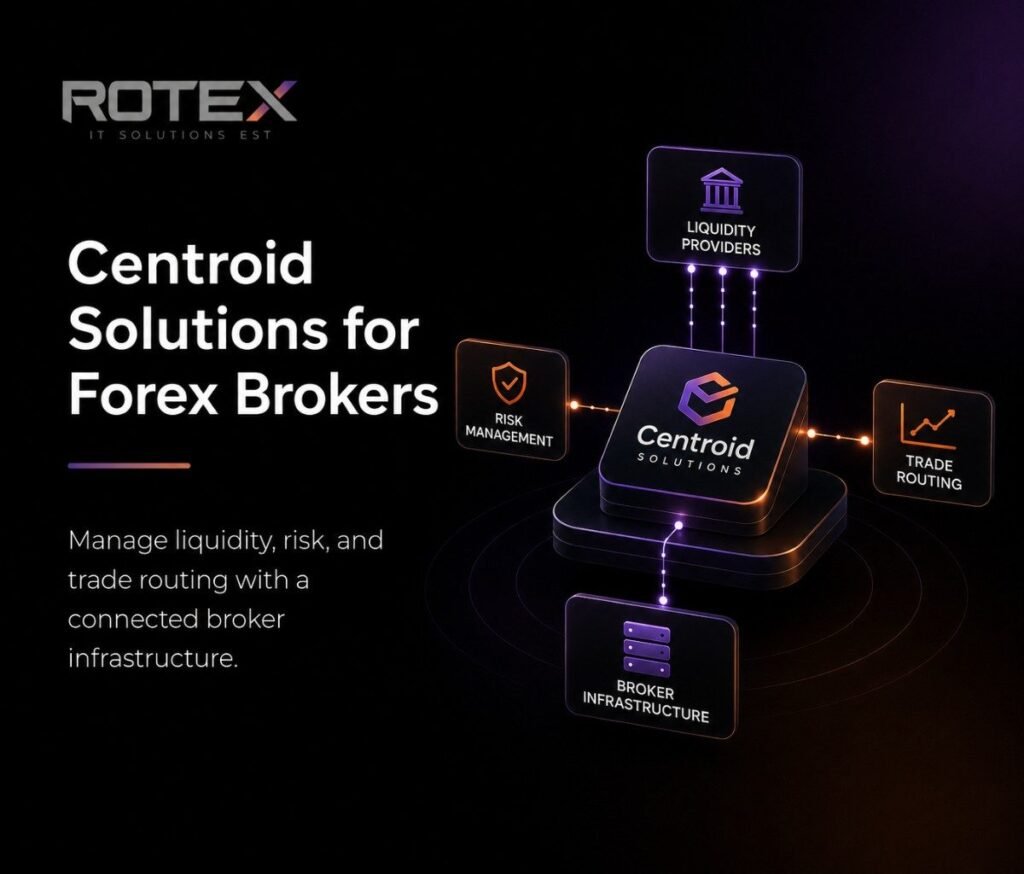
Quick Answer Centroid Solutions setup for forex brokers combines liquidity bridge functionality with built-in real-time risk management, allowing brokers to aggregate multiple LPs, route orders by risk profile, and monitor exposure across their full book from a single platform. Table of Contents ● What Is Centroid Solutions? ● Liquidity […]
OneZero for Forex Brokers: Liquidity Connectivity, Routing and Bridge Management

Quick Answer OneZero setup for forex brokers involves configuring its Hub bridge to connect trading platforms to multiple liquidity providers, applying smart order routing rules, and enabling real-time exposure and execution analytics across the broker’s order flow. Table of Contents ● What Is oneZero? ● How the oneZero Hub […]
DXtrade for Forex Brokers: Complete Platform Setup and Management Guide
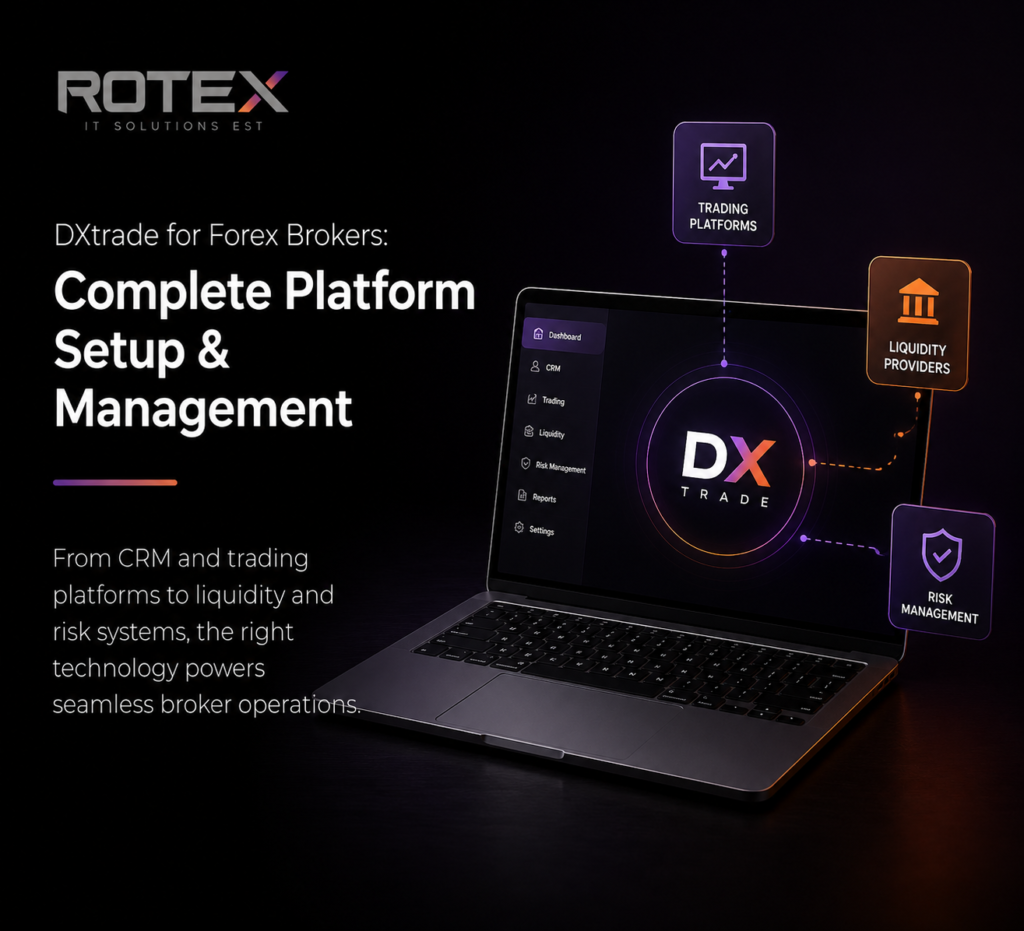
Quick Answer DXtrade setup for forex brokers involves licensing the platform through Devexperts, configuring instruments and trading rules, connecting liquidity through its integration layer, and linking a CRM for automated account provisioning and risk monitoring. Table of Contents ● What Is DXtrade? ● Platform Setup and Licensing ● […]
TradeLocker for Forex Brokers: Platform Setup, Liquidity Integration and Management

Quick Answer TradeLocker setup for forex brokers involves licensing the platform, configuring instruments, account types and trading conditions, connecting to liquidity providers through its API, and integrating with a CRM for automated onboarding and balance synchronization. Table of Contents ● What Is TradeLocker? ● Platform Setup and Configuration ● […]
Match-Trader for Forex Brokers: Setup, Integration and Platform Management

Quick Answer Match-Trader setup for forex brokers includes licensing the platform through TFB (Trade for Brokers), configuring trading conditions and account types, connecting liquidity feeds via its native bridge, and integrating with a CRM through Match-Trader’s API for automated account and balance sync. Table of Contents ● What Is Match-Trader? ● […]
cTrader for Forex Brokers: Setup, Configuration, Liquidity and Broker Management
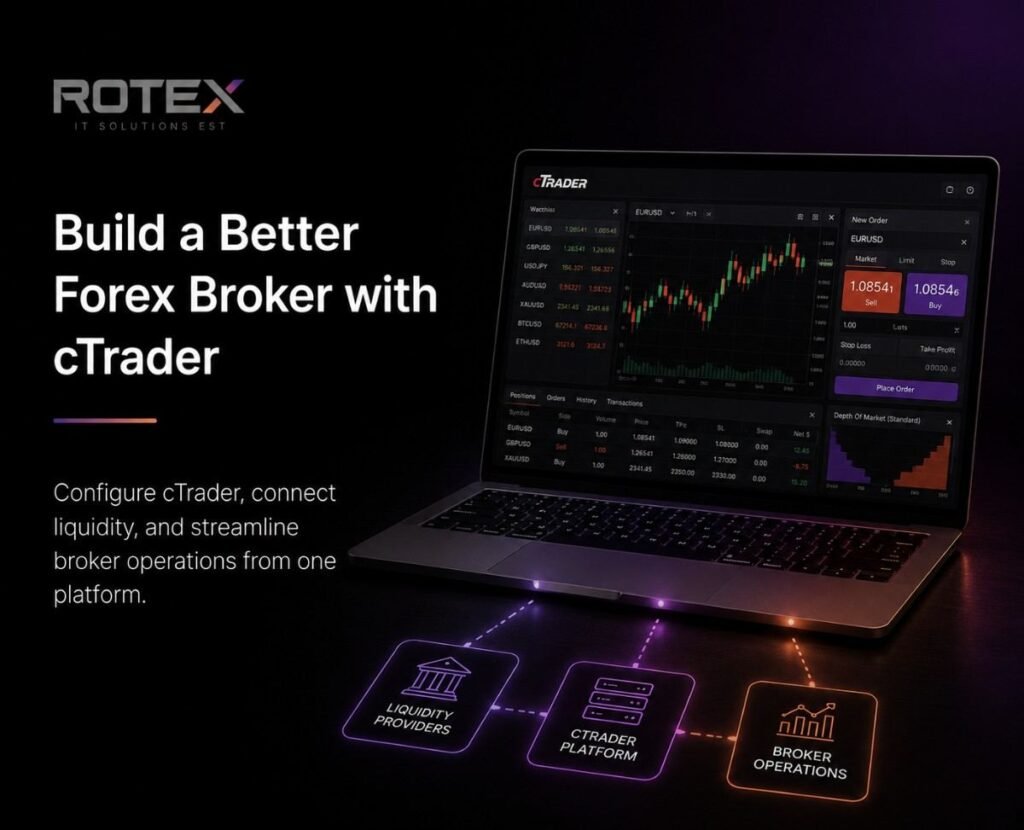
Quick Answer Setting up cTrader for a forex broker involves licensing cTrader Server, configuring account groups and symbols, connecting liquidity through cTrader’s native bridge or FIX API, and integrating the CRM through the cTrader Open API for real-time account and trade data sync. Table of Contents ● Why Brokers Choose cTrader ● […]
MetaTrader 4 for Forex Brokers: Setup, Server Management and Technical Support
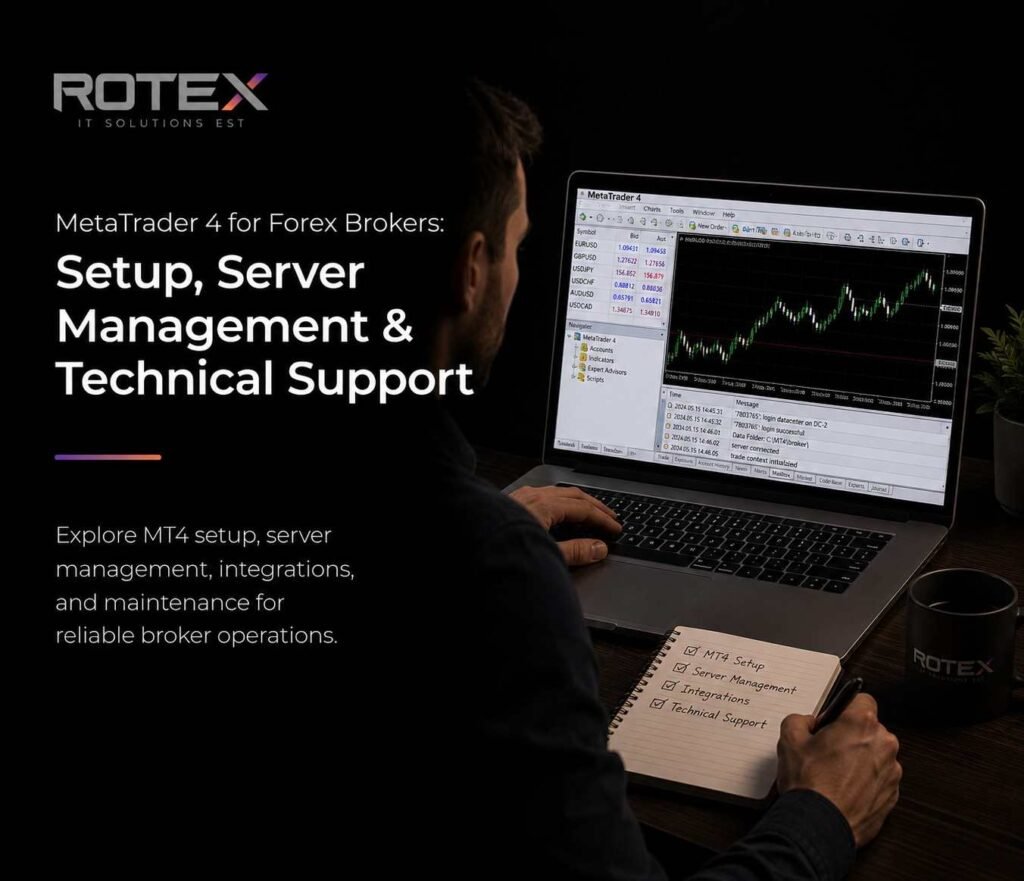
Quick Answer MT4 for forex brokers involves licensing and hosting an MT4 server, configuring groups, symbols and swap settings, connecting to liquidity through a bridge, and integrating with a CRM for account and balance sync — the same core steps as MT5, adapted to MT4’s older but still widely-used architecture. Table of Contents ● […]
MetaTrader 5 for Forex Brokers: Complete MT5 Setup, Configuration and Management Guide
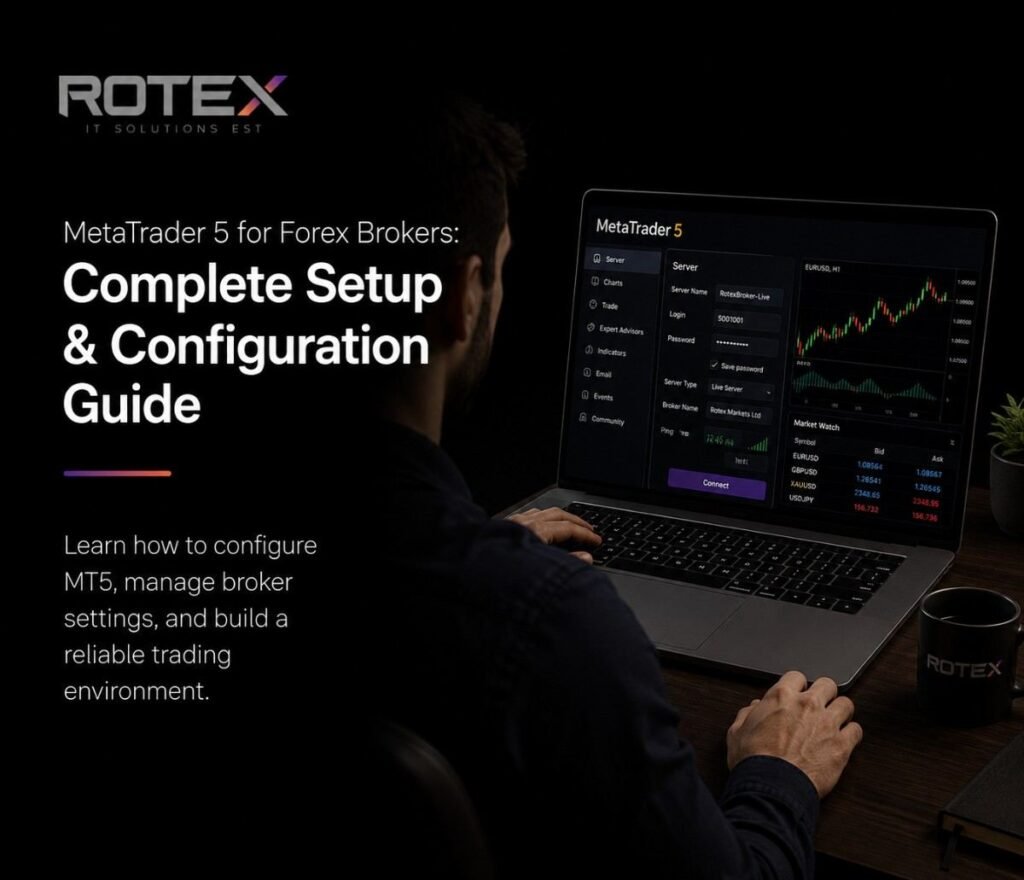
Quick Answer Setting up MT5 for a forex broker involves licensing an MT5 server (own or white-label), configuring trading groups, symbols and leverage, connecting liquidity via bridge, integrating the CRM through the Manager API, and hosting the server in a low-latency data center near your liquidity providers. Table of Contents ● Why […]
Forex Broker Server Architecture: How Hosting, Liquidity and Trading Platforms Affect Execution

Quick Answer Forex broker server architecture refers to how the trading platform server, liquidity connections and CRM are hosted and networked together. Server location relative to liquidity providers, redundancy setup, and network quality directly determine execution latency, slippage and platform uptime — making hosting one of the most overlooked factors in trade execution quality. Table […]
How Forex Brokers Manage Toxic Flow, Arbitrage and Abnormal Trading Activity
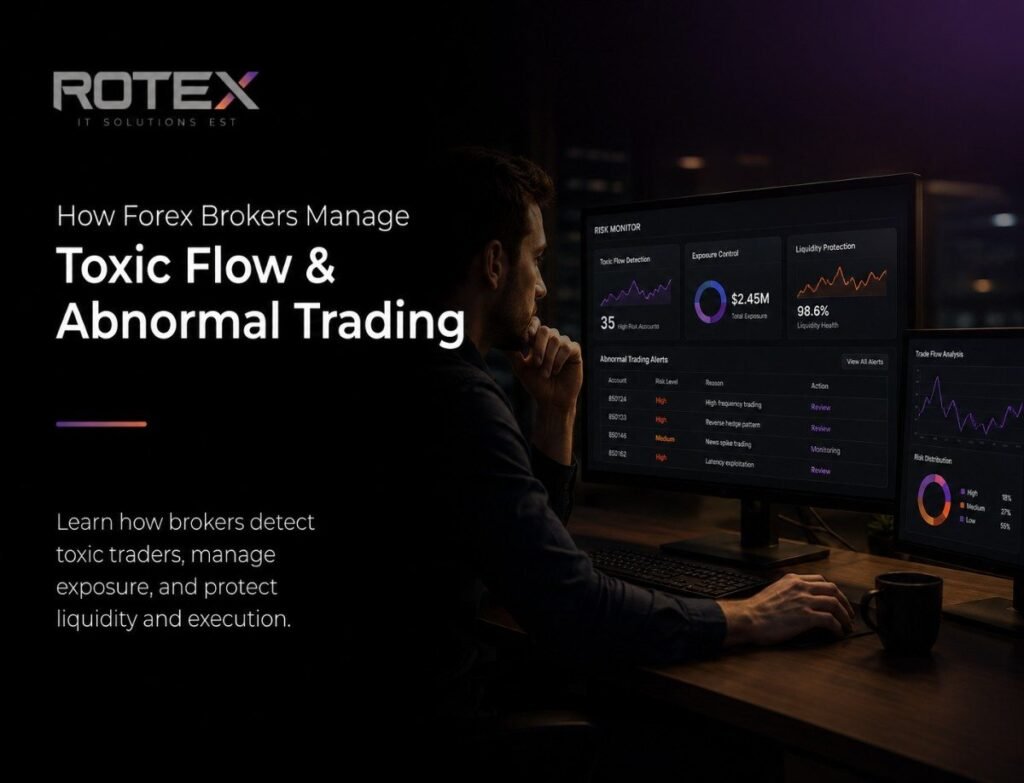
Quick Answer Toxic flow in forex refers to trading activity — such as latency arbitrage, news-spike exploitation or coordinated multi-account trading — that consistently profits from pricing or execution weaknesses rather than genuine market views. Brokers detect it through pattern analysis in their risk management software and typically respond by re-routing the client to A-Book […]